


So much for a smooth Republican debate season.
Just three debates in, the saga over the CNBC Republican showdown in Colorado last week has dashed the hopes of party bosses that the storm of controversy and recrimination over debates that clouded the 2012 campaign -- and hampered eventual nominee Mitt Romney -- could be avoided.
Last time around, candidates griped that there were too many debates -- there were 20 in all -- and that their frequency and need for preparation interrupted campaigns and elevated long-shot hopefuls who had no chance of winning the nomination in the media spotlight.
This time, especially following the CNBC debate Wednesday, candidates are complaining that the moderators are taking too much airtime, keep interrupting those on stage and are biased against conservatives. Front-runners say that those stuck in single digits in the polls shouldn't even be in the debates while the dark horses complain that being confined to second-tier events is killing their campaigns.

The CNBC Republican debate in three minutes 03:06
But while the candidates have been quick to jump on the moderators and the networks hosting them, in truth each candidate has reasons for wanting a different format that most suits his or her campaign. The result has been another round of controversy and recrimination.
Sunday's meeting of campaign operatives produced a tentative truce with a modest set of demands for changes to the format of future debates, but even that initiative split the GOP field. By Monday night, Donald Trump, John Kasich, Chris Christie and Carly Fiorina had declined to sign on.
The issue is likely to persist as long as the GOP field remains bloated, guaranteeing constant tensions as each candidate jockeys for position -- whether for more time on screen or fewer minutes in the hot seat.
Here is how the Republican White House hopefuls are playing the debate over debates for their own advantage.
Donald Trump
What he wants: Trump has made no secret of his desire for cuts in the size of the top-tier GOP debate. He's publicly warned the likes of Kentucky Sen. Rand Paul they shouldn't even be sharing a stage with him.
"There are too many people on the debate stage. It should be five. Let the other eight or nine or 10 go onto the second debate," Trump's special counsel Michael Cohen said on CNN's "New Day" on Monday. Trump, who faded during a three-hour-long debate on CNN in September, has also led calls for the events to be limited to two hours.
Why he wants it: The billionaire front-runner is a master of manipulating the media and doesn't want to share his spotlight. The more candidates he can exclude from the stage, the less competition he has to confront head on at the top.

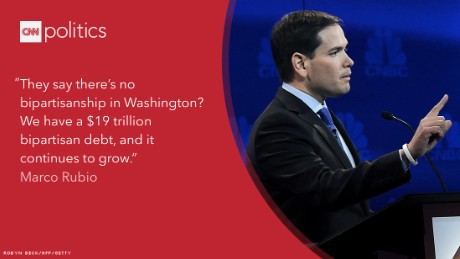
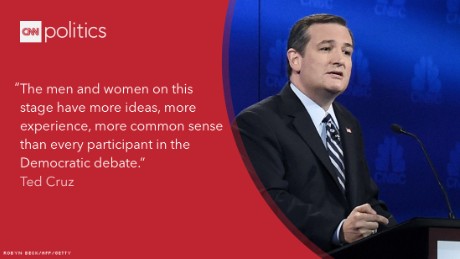
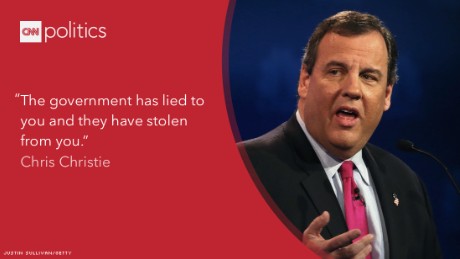
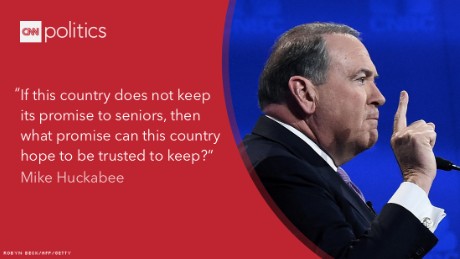
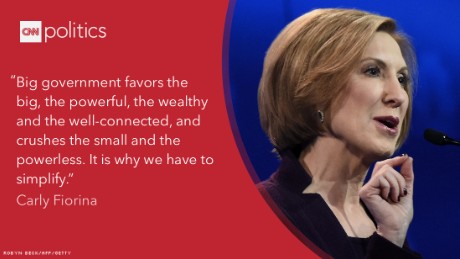
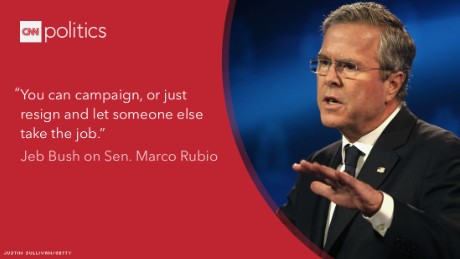
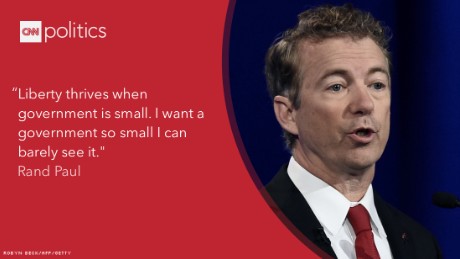
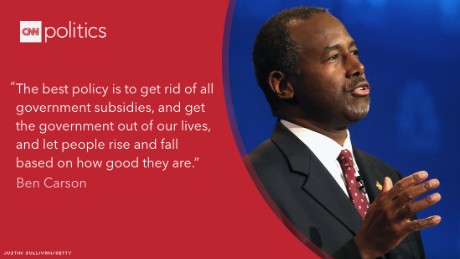
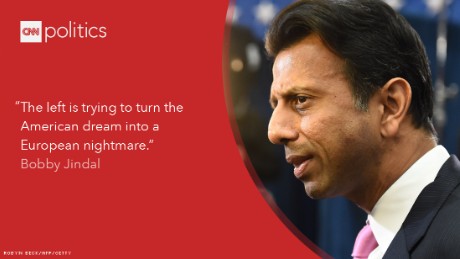
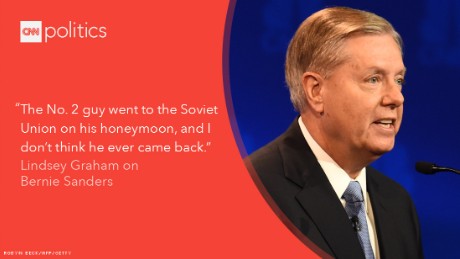
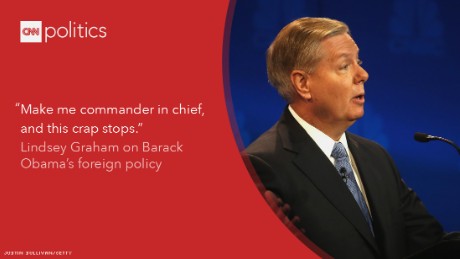
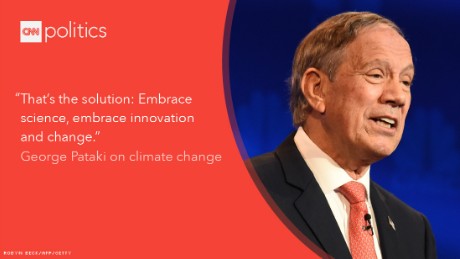
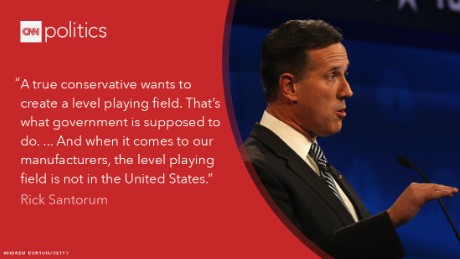
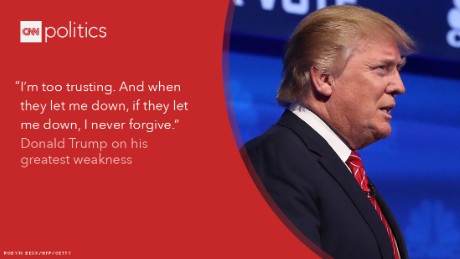
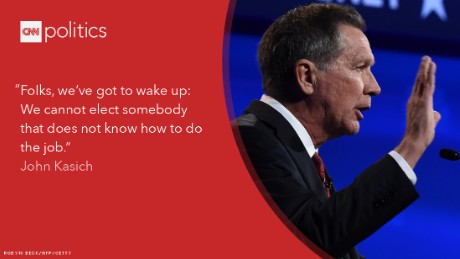
15 photos: Memorable quotes from the Republican debate



Ben Carson
What he wants: The former neurosurgeon has called for the GOP to abandon the current format for televised debates. He says journalist moderators ask "gotcha" questions and wants debates to be stripped from the networks and carried on YouTube or Facebook and become more of a forum-style event, according to The Wall Street Journal.
Why he wants it: Since Carson is not a professional politician, he has far less experience in the cut-and-thrust of debate than many of his competitors. His soft-spoken, laid-back style seems a better fit for less adversarial settings. And some of his answers on the details of policy have been shaky during the past two debates, giving him even more incentive to avoid such scrutiny.
Marco Rubio
What he wants: Rubio is happy to take the chance to turn tough questions or those he deems unfair into a chance to lash the "liberal" media. He's called the moderators of the CNBC debate biased and says they asked trivial questions. And he didn't wait until the showdown was over last week before castigating the media as a de facto arm of the Democratic Party.
"The Democrats have the ultimate super PAC ... called the mainstream media for every single day," Rubio said while on the debate stage.




0 Comments